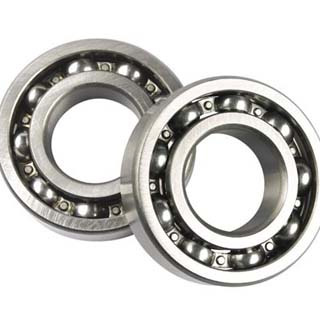
轴承游隙是指轴承内外圈之间允许的轴向或径向间隙。计算轴承游隙对于保证轴承的运行精度和性能至关重要。以下是一个简单的轴承游隙计算程序的示例,使用Python编写。此程序假设您已经知道轴承的类型、尺寸和所要求的游隙范围。
def calculate_clearance(bearing_type, bore_size, clearance_class):
    # 轴承游隙表(示例数据)
    # 注意:实际应用中,应根据轴承手册中的具体数据进行计算
    clearance_data = {
        'Deep Groove Ball Bearings': {
            '6200': {'C0': 0.0, 'C1': 0.015, 'C2': 0.025, 'C3': 0.035},
            '6300': {'C0': 0.0, 'C1': 0.015, 'C2': 0.025, 'C3': 0.035},
            # 更多尺寸...
        },
        # 更多轴承类型...
    }

    # 根据轴承类型和内径查找游隙
    if bearing_type in clearance_data and bore_size in clearance_data[bearing_type]:
        clearance = clearance_data[bearing_type][bore_size].get(clearance_class, 0)
    else:
        print(f"未找到轴承类型 {bearing_type} 和内径 {bore_size} 的游隙数据。")
        return None

    return clearance

# 示例使用
bearing_type = 'Deep Groove Ball Bearings'
bore_size = '6200'
clearance_class = 'C1'  # 根据需求选择C0, C1, C2, C3等

# 计算游隙
clearance = calculate_clearance(bearing_type, bore_size, clearance_class)
if clearance is not None:
print(f"轴承 {bearing_type} 内径 {bore_size} 的 {clearance_class} 游隙为:{clearance} mm")在上面的程序中,calculate_clearance 函数接收轴承类型、内径和游隙等级作为参数,并返回相应的游隙值。这个示例使用了固定的游隙数据,实际应用中应使用轴承制造商提供的详细数据。

请根据实际情况调整轴承类型、内径和游隙等级的参数,以获取正确的游隙值。如果轴承型号或尺寸不在数据表中,则需要查找轴承手册或制造商提供的具体信息。